One dinner can produce several thank-you notes if you are paying attention to who sat where and who said what. Larry Chiang’s karma framework treats a shared meal as a small economy: everyone at the table gave you something, attention, an introduction, a story, a laugh at the right moment. The mistake most people make is sending one generic thank-you to the host and calling the dinner closed.

Larry preps for the room the way his PQRST checklist teaches, previewing who is likely to attend before he even sits down, so he already knows who he wants to thank afterward. After the meal he runs a fast debrief: who he sat near, what question never got asked, what he still owes someone from the conversation. That debrief turns into three or four short notes instead of one, each specific to a single moment instead of a blanket great seeing everyone.
A note that references the exact story someone told, the dish they recommended, or the intro they promised, reads as attention, not as etiquette. Karma in this framework is not passive, and a dinner is one of the few times you can actually watch it move around a table in real time.
The person who picks up the check is not always the one who owes the most notes, the person who made an introduction usually is. Reciprocating fast matters here more than anywhere else, because a dinner fades from memory within a week and a late note has to work twice as hard.
None of this is about being liked, it is about being remembered accurately when that person is later in a room deciding who gets the deal. A single dinner, worked properly afterward, can produce more warm relationships than a month of cold outreach.
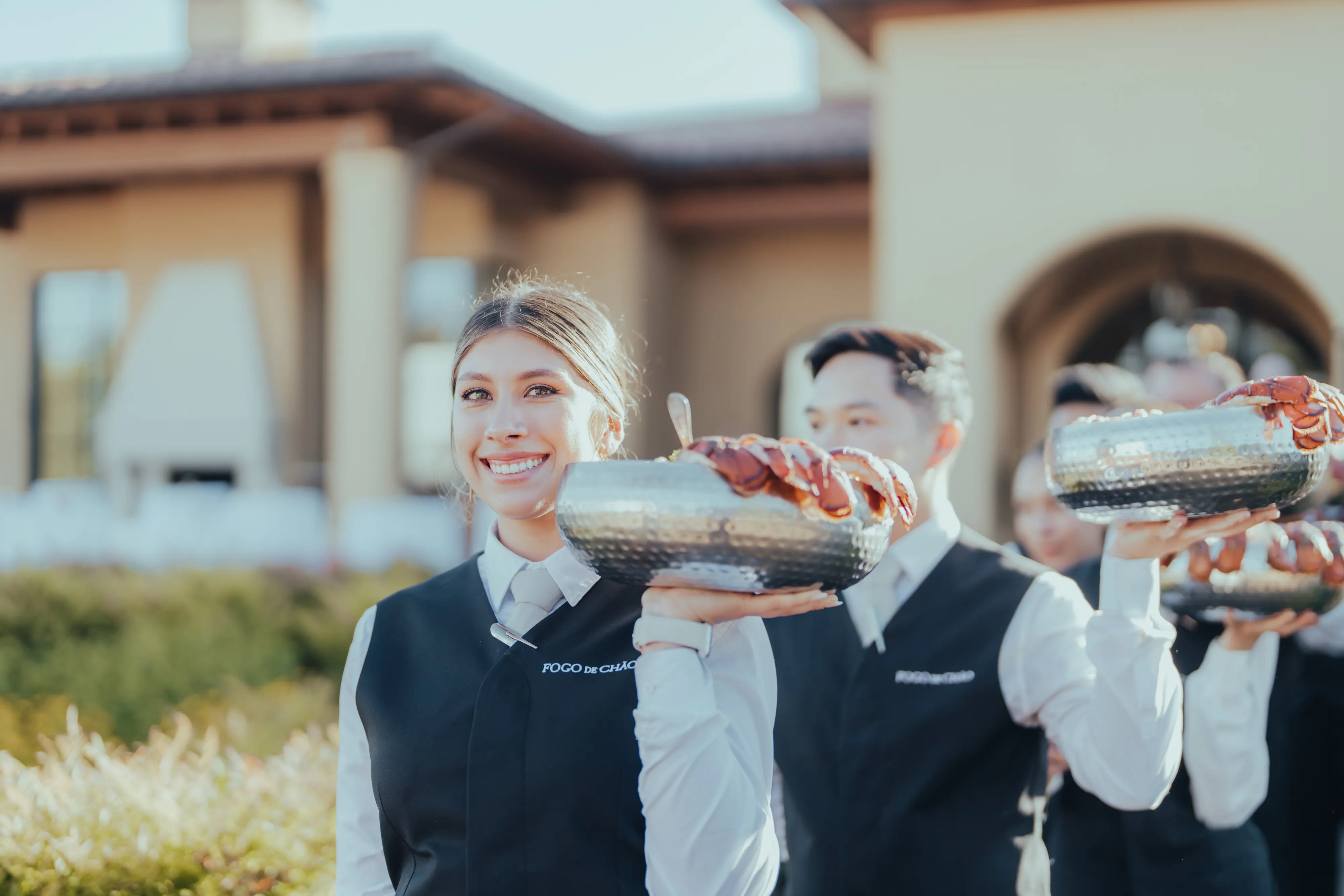
Details: Watch Larry unpack the dinner debrief
#ThankYouNotes #Networking #Web12