
Eating slowly at a business meal is not a manners lesson, it is a pacing tool. When you slow down the meal, you slow down the whole conversation, and slower conversations tend to end in better terms. Larry Chiang’s SuperModel discipline is mostly about restraint, the pen kept still, the phone left alone, and eating slow is the same restraint applied to your fork.
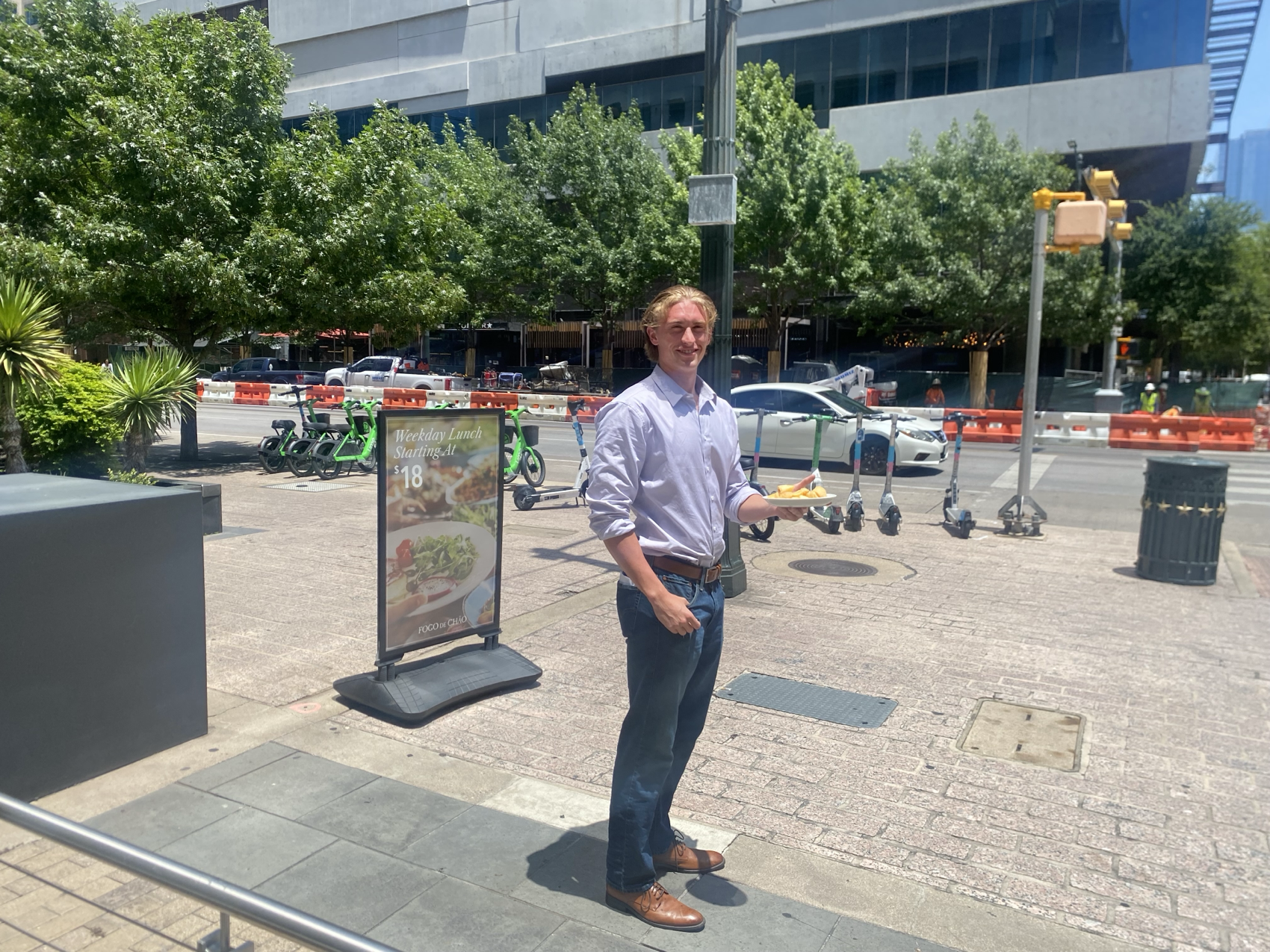
Rushing through a meal signals that you want out of the room, and the other side reads that signal whether you mean to send it or not. A slow eater also talks less with their mouth full of momentum, which leaves more room for the other person to fill the silence with real information. Larry’s karma idea, thank, forgive, tip, reciprocate fast, works better across a meal that gives you time to actually notice what the other person needs.
If you finish your plate in five minutes, you have also signaled that you are done with the conversation in five minutes, even if you did not mean to. Watch the host or the most senior person at the table and match their pace, since that is often the actual clock the meal is running on.
Eating slow also protects you from Larry’s warning about negotiating desperate, since a rushed meal can push you into a rushed answer just to keep moving. It gives you time to run a quiet version of PQRST between bites: what have you heard so far, what is still unclear, what do you still need to ask.
None of this requires eating less, it just requires eating on a pace that matches the size of the conversation. Slow down the fork and the whole room tends to slow down with you.
Details: Watch Larry on pacing a room
#EatSlow #DealPacing #Web12